Bring a Playful Vibe to Your Projects with Scribble
When a design needs to feel less like a computer-generated product and more like a personal invitation, the choice of typeface becomes critical. While modern typography often leans toward clean, geometric sans serif fonts or elegant serifs, there are moments when a project demands a human touch—a sense of spontaneity and joy. This is where Scribble enters the conversation. It is a premium font designed to mimic the imperfect, energetic strokes of a crayon, offering a distinct personality that can instantly transform the tone of your work.
Understanding the Visual Character of Scribble
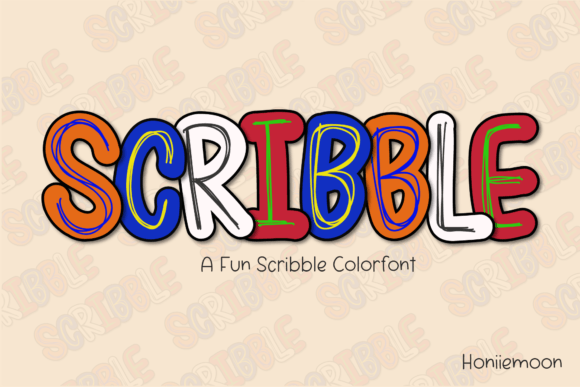
At its core, Scribble is a display font. This means it is crafted specifically for headlines, logos, and short bursts of text rather than long-form body copy. Its visual characteristics are defined by rough edges, varying line weights, and a texture that genuinely looks hand-drawn. It does not have the sterile precision of a vectorized script font; instead, it retains the organic charm of a marker or crayon moving across paper.
This style falls into the broader category of handwritten fonts, but it distinguishes itself through its energy. It is not a formal script font meant for wedding invitations, nor is it a monoline font meant for note-taking apps. Scribble is bold, loud, and vibrant. It appeals to designers and creators who want to break away from corporate stiffness. Whether you are designing a flyer for a local event or creating a logo for a children’s brand, the font conveys approachability and fun.
Practical Applications: Where Does Scribble Fit Best?
Choosing a creative font like Scribble requires an understanding of context. Because it is a high-impact typeface, it shines brightest in specific environments. It is an excellent asset for branding projects where the goal is to appear friendly and accessible. For example, a small business selling homemade goods or a local bakery could use Scribble in their logo design to signal that their products are made with care and creativity.
For marketers and content creators, Scribble is a powerful tool for social media graphics. In a digital landscape dominated by uniformity, a bold, crayon-style font can stop the scroll. It works exceptionally well for Instagram stories, YouTube thumbnails, and Pinterest pins where visual hierarchy is essential. The font naturally draws the eye, making it ideal for calls to action or highlighting key quotes within an image.
Beyond digital, this font has a place in packaging design, particularly for products targeting younger audiences or families. It also serves well in editorial design for magazines or blogs that focus on DIY, crafting, or lifestyle content. However, it is important to remember that as a display font, it should be used sparingly. Pairing it with a clean sans serif font for body text ensures that your message remains readable while still benefiting from Scribble’s personality.
Technical Compatibility for Crafters and Designers
One of the most practical aspects of Scribble is its versatility across different platforms and machines. For those in the crafting community, specifically users of Cricut Design Space, compatibility is often a major concern. The black version of the Scribble font is fully compatible with Cricut and other standard cutting machines. This allows crafters to cut out intricate lettering for vinyl decals, greeting cards, and scrapbooking projects without encountering the errors often associated with complex vector files.
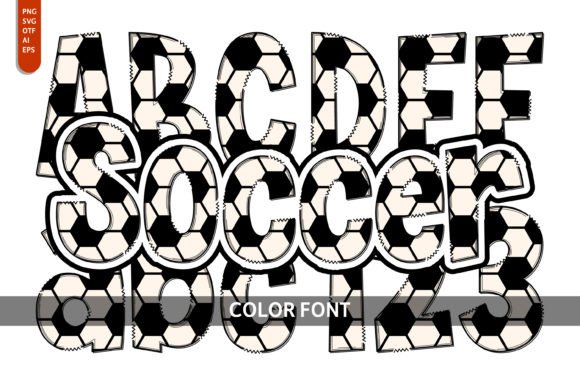
However, the color version of the font operates differently. This version is designed to retain the vibrant, multi-colored aesthetic of the crayon strokes within the font file itself. Consequently, the color OTF and TTF files are not compatible with Cricut Design Space. Instead, they are intended for use in professional design software such as Adobe Photoshop, Adobe Illustrator, Silhouette Studio, and Inkscape.
This distinction is vital for maintaining a professional workflow. If you are creating a digital graphic or a print-ready file, the color version allows you to apply complex color effects instantly. If you are preparing a cut file for physical crafting, you should select the standard black version. Understanding this difference prevents technical headaches and ensures the final output matches your creative vision.
Evaluating Font Pairings and Readability
Effective typography is rarely about using a single font in isolation. To create a balanced design, you need to consider font pairing. Because Scribble has such a strong personality, it pairs best with typefaces that are neutral and unobtrusive. A geometric sans serif font with uniform line widths provides a clean canvas that allows the Scribble text to pop without overwhelming the viewer.
Avoid pairing Scribble with other decorative or overly stylized fonts, such as a complex script font or a vintage serif font. The visual clash can make the design look cluttered and difficult to decipher. The goal is to create contrast, not competition. For instance, use Scribble for the main headline to establish the tone, then switch to a standard sans serif for the subheading and body copy to ensure legibility.
Readability is another key factor. While Scribble is legible at larger sizes, its textured edges can become muddy if scaled down too small. This is particularly true for mobile web design, where screen resolution and small text sizes can obscure the details of a hand-drawn typeface. Always test your designs on multiple devices and at various print sizes to ensure the message is clear.
Making the Decision: Licensing and Style Review
Before integrating Scribble into a commercial project, it is essential to review the licensing terms. As a commercial font, it is an investment in your brand identity. Ensure that the license covers your intended use, whether it is for a single client project, a range of merchandise, or unlimited digital assets.
When you download the font, take time to review the included styles and character maps. High-quality premium fonts often include alternate characters, ligatures, and special symbols that can add nuance to your typography. Exploring these features allows you to customize the text further, ensuring that your design feels unique rather than generic.
Ultimately, Scribble is more than just a collection of letters; it is a design asset that injects energy and humanity into digital and physical spaces. For designers, entrepreneurs, and hobbyists looking to convey creativity and approachability, it offers a reliable and visually striking solution. By applying it thoughtfully and respecting its technical specifications, you can leverage this typeface to create memorable, engaging work that resonates with your audience.