Chocolate: The Sweet Spot for Playful Branding
When you are building a brand, especially one targeting families, children, or the artisanal market, the typography you choose speaks before you do. It sets the emotional stage. Chocolate is a typeface that understands this assignment perfectly. It is not just a collection of letters; it is a statement of warmth, creativity, and approachability. For designers and entrepreneurs looking to break away from the rigid structure of standard corporate fonts, this typeface offers a breath of fresh air. It brings a human touch to digital spaces, making your content feel less like a computer generated it and more like a friend shared it.
The Visual Personality of Chocolate
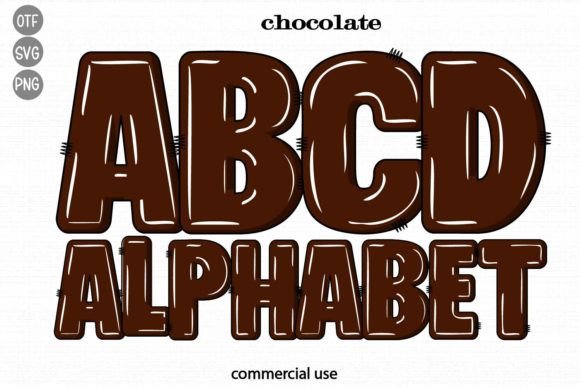
At its core, Chocolate is a playful and artistic typeface. If you look closely at the letterforms, you will notice a distinct lack of harsh angles. Instead, the font relies on soft curves and organic shapes that mimic the fluidity of hand-lettering. It often falls into the category of a handwritten font or a stylized script font, though it maintains enough structure to remain legible at various sizes. This balance is crucial. Many decorative fonts sacrifice readability for style, but Chocolate manages to keep the text accessible while retaining its whimsical charm.
The visual weight of the font is generally medium to bold, giving it a strong presence on the page without overwhelming the viewer. It feels friendly and inviting, much like the confection it is named after. This makes it an excellent choice for projects where the goal is to connect emotionally with the audience. Whether you are designing a logo for a local bakery or creating graphics for a community event, the personality of this font instantly communicates that your brand is approachable and fun.
Where Chocolate Shines: Applications and Use Cases
Understanding where to use a specific typeface is just as important as choosing it. Chocolate is a creative font, meaning it excels in environments where visual engagement is prioritized over dense information. It is a display font at heart, designed to catch the eye in headlines, titles, and logos.
Children’s Media and Education
One of the most natural fits for this typeface is in children’s books, posters, and educational materials. Young readers often respond better to typography that feels energetic and alive. The rounded edges and bouncy baseline of Chocolate create an engaging reading experience. It avoids the sterility of standard schoolbook fonts, making learning materials feel like play. Publishers and content creators in the education sector can use this font to reduce the intimidation factor of reading for early learners.
Invitations and Greeting Cards
The stationery industry thrives on personality. When designing invitations or greeting cards, the typography needs to convey emotion immediately. Chocolate works beautifully for birthday party invitations, baby shower announcements, and casual holiday cards. Its artistic flair adds a bespoke, handmade quality to the design, which is highly valued in the crafting and hobbyist communities. It suggests that care and creativity went into the creation of the piece.
Branding and Packaging
For small business owners, particularly those in the food, lifestyle, or boutique sectors, brand identity is everything. Chocolate can serve as the cornerstone of a logo design for brands that want to project a "homemade" or "artisanal" vibe. Imagine this font on the label of a jam jar, a chocolate bar wrapper (naturally), or a boutique clothing tag. It signals quality and craftsmanship. In packaging design, it helps products stand out on crowded shelves by offering a visual texture that standard sans serif fonts cannot provide.
Strategic Typography: Readability and Hierarchy
While Chocolate is visually appealing, it requires a strategic approach to implementation. As a display font, it is not designed for long paragraphs of body copy. Using it for a 500-word blog post would likely tire the reader’s eyes. Instead, its strength lies in visual hierarchy.
Use Chocolate for your H1 and H2 headings to grab attention. Then, pair it with a clean, neutral sans serif font or a highly legible serif font for the body text. This contrast creates a dynamic layout where the headers provide the personality and the body text provides the clarity. This font pairing technique is a staple of modern typography and ensures that your design looks professional rather than chaotic.
When used correctly, this typeface influences how your audience perceives your brand. It builds recognition. When customers see that specific style of lettering repeatedly across your social media graphics, website, and print materials, they begin to associate that visual cue with your brand's values. It becomes a key asset in your design assets library, helping to create consistency across all touchpoints.
Practical Tips for Designers and Creators
If you are considering integrating Chocolate into your workflow, there are a few practical considerations to keep in mind. First, evaluate the specific styles included in the font family. Many premium fonts come with alternates, ligatures, or swashes that can add even more flair to your typography. Experimenting with these OpenType features can help you customize the look so it doesn't appear generic.
Second, always check the commercial licensing. If you are using this for a client’s packaging design or a commercial web design project, you need to ensure the license covers that usage. Most reputable font foundries offer clear terms for desktop, web, and app usage.
Finally, test the font in context. A typeface might look great in a large mockup on your screen, but how does it look printed on a small business card? Or scaled down on a mobile screen? Since Chocolate is a creative font, you need to ensure the details don't get lost when the size is reduced. If it becomes muddy at small sizes, restrict its use to large headlines only.
In the vast sea of modern typography, finding a font that feels genuinely human can be a challenge. Chocolate offers a solution that is both aesthetically pleasing and functionally versatile for specific creative niches. It allows designers, marketers, and hobbyists to inject a sense of joy and authenticity into their work, ensuring that the final product isn't just seen, but felt.