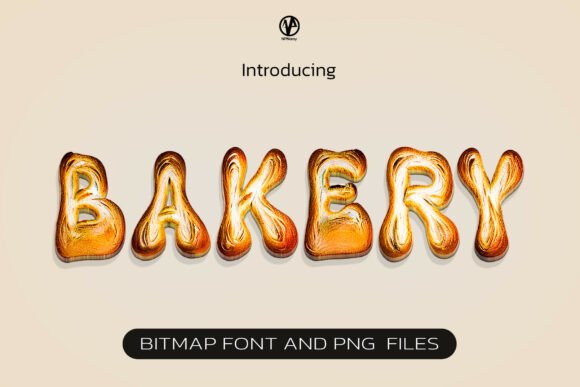
Bakery: The Font That Makes Every Design Taste Like Home
There’s a certain warmth that comes from walking into a real bakery. It’s not just the aroma of fresh bread; it’s the visual language of the place—the flour-dusted counters, the golden crusts, the handwritten specials on the chalkboard. Capturing that feeling in a digital world is notoriously difficult. We often settle for cold, sterile typography that lacks soul. However, the Bakery font manages to bottle that exact atmosphere. It isn't just a collection of letters; it is a distinct personality that bridges the gap between delicate elegance and the robust, comforting presence of bread. If you are looking to inject life into your creative projects, adding this premium font to your toolkit is a step toward making your work feel truly lived-in.
The Visual DNA: Delicate yet Robust
At first glance, Bakery feels familiar, yet it possesses a unique rhythm that sets it apart from standard script fonts. It strikes a balance that is incredibly hard to achieve in modern typography. On one hand, it has the fluidity of a handwritten font, mimicking the natural flow of a baker piping icing onto a cake. On the other hand, it retains the structural integrity of a solid serif font, ensuring that it doesn't look like a frantic scrawl. This duality makes it a creative font that commands attention without shouting.
The visual characteristics of the Bakery typeface include slightly rounded terminals and an organic baseline. It doesn't sit perfectly straight on a line, which is a deliberate design choice. This slight imperfection is what gives it character. It mimics the texture of artisanal products. When you use Bakery, you aren't just typing words; you are stamping a mark of authenticity onto your design. It avoids the overused tropes of rustic design, offering a sophisticated take on the "homemade" aesthetic. It feels expensive and curated, making it an ideal display font for brands that want to signal quality without being pretentious.
Where the Dough Rises: Practical Applications
The true test of any typeface is its versatility. While Bakery screams "patisserie," its application goes far beyond packaging design for flour and sugar. As a design asset, it serves a wide array of industries and mediums. Understanding where to deploy this font can be the difference between a good design and a great one.
Branding and Logo Design
For entrepreneurs and small business owners, a logo is the handshake of the business. Bakery excels in logo design for brands that rely on personal connection. Think of boutique hotels, florists, wedding planners, or high-end coffee roasters. The font suggests that there is a human behind the brand—a real person who cares about the craft. It builds a brand identity rooted in warmth and approachability.
Editorial and Publishing
In the realm of editorial design, particularly in magazines, blogs, and cookbooks, Bakery serves as a perfect accent. It works beautifully for pull quotes, chapter titles, or drop caps. Pairing it with a clean sans serif font for body text creates a stunning contrast. The sans serif provides the necessary legibility for long-form reading, while Bakery provides the visual "flavor" and breaks up the monotony of the page layout.
Digital and Social Media
Content creators and marketers know that grabbing attention on platforms like Instagram or Pinterest is a split-second game. Bakery is a heavy hitter for social media graphics. Its distinct silhouette ensures that text remains readable even on small mobile screens, provided the sizing is correct. It is particularly effective for "Quote of the Day" posts, promotional headers, or YouTube thumbnails where you need to convey a lifestyle rather than just information.
Packaging and Web Design
In packaging design, texture is everything. Bakery translates well to physical goods, looking equally striking on a matte kraft paper label or a glossy box. In web design, it should be used sparingly as a hero font. Using it for navigation menus would be a mistake, but using it for the main headline of a landing page creates an immediate emotional hook that draws the user into the narrative.
The Psychology of the Crumb: Influence on Perception
Typography is rarely just about aesthetics; it is about psychology. The font you choose dictates how your audience perceives your message before they even read a single word. Bakery influences several key psychological triggers that are vital for engagement.
First, it establishes trust. The organic, flowing nature of the font suggests transparency and honesty. It feels handmade in a world of mass production. For a small business owner, this is invaluable. It implies that your product is crafted with care. Second, it enhances brand recognition. Because Bakery is a creative font with a strong personality, it is memorable. A customer might forget a generic Arial headline, but they will remember the visual flair of a Bakery headline.
Furthermore, this typeface aids in visual hierarchy. By using Bakery for your primary headlines, you instantly create a focal point. The eye is drawn to the high-contrast, decorative nature of the text. This allows you to use a more subdued font for the details, guiding the reader’s journey through the content. It creates a rhythm that makes the reading experience enjoyable rather than laborious.
A Baker’s Guide to Using the Font
Adopting a new premium font requires more than just installation; it requires strategy. To get the most out of the Bakery typeface, you need to approach it with the same precision a baker approaches a recipe.
Mastering Font Pairing
The most common mistake with decorative fonts is pairing them with other decorative fonts. Bakery has enough personality to stand on its own. It pairs best with neutral counterparts. A geometric sans serif font like Montserrat or Roboto creates a modern, clean look. Alternatively, a sturdy serif font can create a vintage, "heritage" vibe. Avoid pairing it with other script fonts or handwritten fonts, as this will create visual chaos and destroy readability.
Readability and Hierarchy
While Bakery is legible, it is not designed for 10-point body copy. It is a display font, meaning it shines brightest at larger sizes. Use it for titles, headers, and short bursts of text. If you try to write a full paragraph in Bakery, you will fatigue your reader's eyes. Keep it punchy. Use it to highlight the keywords that matter most—words like "Delicious," "Handcrafted," or "Limited Edition."
Evaluating the Styles
When you download a family like Bakery, look for the included styles. Does it come with alternates or ligatures? These are the "special ingredients" of the font. Swapping out a standard lowercase "g" for a stylistic alternate can completely change the vibe of a logo. Experiment with these features to ensure your design feels unique and not like a template.
Licensing for Business
Finally, for designers and entrepreneurs, the legal aspect is non-negotiable. Bakery is a commercial font. If you are using it for a client project, a product for sale, or a commercial website, you must ensure you have the correct license. This protects the intellectual property of the type designer and protects you from legal headaches down the road. Treat font licensing as a standard cost of doing business, just like buying high-quality stock photos or premium software.
Final Thoughts
In a digital landscape that can often feel cold and algorithmic, Bakery offers a breath of fresh air. It reminds us that design is ultimately about human connection. Whether you are a blogger trying to make your posts stand out, a designer crafting a brand identity for a local shop, or a crafter making invitations for a loved one, this font provides the tools to do so with elegance and heart. It is more than just a display font; it is a bridge between the digital and the tangible. Add it to your favorites, and watch your creations come alive with the warmth of a fresh loaf from the oven.