Chalk Sketch Collection: A Hands-On Guide to Authentic Lettering
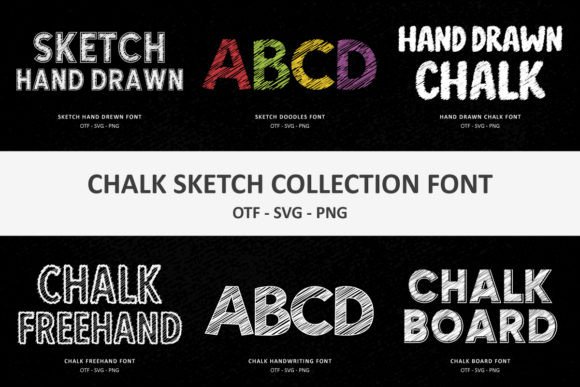
There is a specific tactile quality to a chalkboard that digital screens struggle to replicate. It is the texture of the dust, the slight imperfection of the line, and the warmth of hand-drawn communication. For designers, marketers, and creators looking to bridge the gap between digital precision and analog charm, the Chalk Sketch Collection offers a compelling solution. This package gathers eight distinct chalk fonts, each designed to mimic the organic irregularities of a chalk stick scraping against a board. It is a premium font bundle that prioritizes character over clinical perfection.
Visual Character and Typography Style
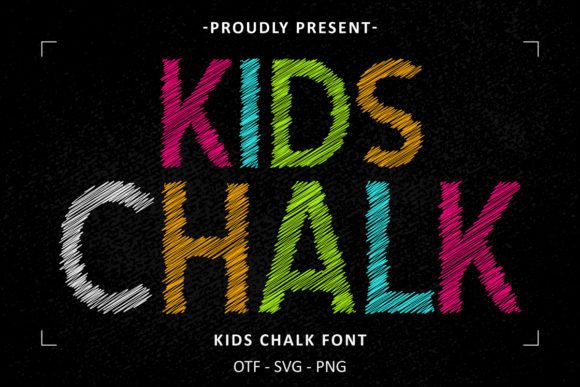
When you look at the Chalk Sketch Collection, you are not seeing a standard sans serif font or a polished script font. Instead, you are viewing a typeface family rooted in the tradition of hand lettering. The visual style is defined by high-contrast textures. The strokes vary in thickness and opacity, simulating the way a real piece of chalk deposits pigment unevenly. This gives the typography a distinct "human" element.
The collection includes eight variations, ensuring that the style does not become monotonous. You might find styles that range from a bold, blocky chalk display font to a lighter, more whimsical handwritten font. This variety allows for complex visual hierarchy within a single project. For instance, you could use a heavier weight for a headline and a thinner, more delicate style for subheadings, maintaining the chalk aesthetic while ensuring the text remains legible. The absence of punctuation marks in the character set (A-Z, 0-9) suggests this collection is best used for headlines, logos, and short bursts of impactful text rather than long-form body copy.
Strategic Applications for Creators and Brands
Understanding where to deploy a creative font like this is half the battle. The Chalk Sketch Collection is not a universal typeface for every situation, but it excels in specific environments where warmth and approachability are required. It is a versatile design asset that fits seamlessly into both personal hobbies and commercial font requirements.
Product Design and Packaging
For entrepreneurs in the physical product space, this font set is incredibly practical. The chalk aesthetic translates beautifully to packaging design, particularly for artisanal goods. Imagine a coffee bag, a jar of local honey, or a bakery label. Using the Chalk Sketch Collection on these items immediately signals a "homemade" or "small batch" vibe. It works exceptionally well on:
- Apparel and Accessories: T-shirt designs, tote bags, and phone cases often benefit from typography that looks distressed or hand-drawn. It gives the garment a vintage or streetwear feel.
- Drinkware: Mugs and tumblers are prime real estate for chalk-style lettering. The font mimics the look of chalk markers used on cafe menu boards, creating a cozy, café-inspired aesthetic on the product itself.
- Stickers and Decals: Because the font has high visual texture, it stands out on stickers where flat vector fonts might look too sterile.
Digital Presence and Brand Identity
In the realm of web design and social media graphics, texture is often sacrificed for load times and scalability. However, the Chalk Sketch Collection allows you to reintroduce texture without compromising file size. It is an excellent choice for social media headers, Instagram stories, or blog graphics where you want to stop the scroll.
For brand identity, this typeface speaks a specific language. It suggests that a brand is approachable, creative, and perhaps a bit playful. A yoga studio, a children’s educational center, or a craft brewery could use this font to anchor their visual identity. However, brand strategists must be careful: if a brand needs to convey strict corporate authority or high-tech futurism, a chalk font might send the wrong signal.
Design Principles: Readability and Hierarchy
Using a display font effectively requires an understanding of readability. Because the Chalk Sketch Collection relies on texture and irregular shapes, it is best reserved for display purposes. This means headlines, titles, and short call-to-action phrases.
If you attempt to use this font for long paragraphs on a website or in a brochure, you risk fatiguing the reader’s eyes. The texture that makes it charming at 48pt can make it noisy and difficult to decipher at 12pt. Therefore, a successful design using this collection will almost always involve a font pairing. You need a clean, neutral partner.
Consider pairing the Chalk Sketch Collection with a simple sans serif font like Helvetica, Arial, or a modern geometric sans for body text. The contrast between the organic, rough chalk headers and the clean, vectorized body text creates a balanced visual hierarchy. The chalk font draws the eye and establishes the mood, while the sans serif delivers the information efficiently.
Practical Implementation and Licensing
Before integrating the Chalk Sketch Collection into a commercial workflow, a few practical checks are necessary. First, review the specific visual styles included. With eight fonts available, you have the opportunity to create systems rather than just single images. You might designate one style for "Sale" tags and another for "New Arrival" announcements to maintain consistency across a retail environment.
Second, consider the background. Chalk fonts rarely look good on pure white digital backgrounds because the contrast is too stark and the texture gets lost. They perform best on dark backgrounds—black, slate grey, or deep navy—to mimic the look of an actual chalkboard. Alternatively, they can be used on textured paper backgrounds in print design to enhance the analog feel.
Finally, while the collection is a commercial font, always verify the specific licensing terms provided with the files. Most premium font licenses allow for extensive use on physical products and digital marketing, but it is due diligence to ensure the license covers the volume of production you anticipate.
Conclusion
The Chalk Sketch Collection is more than just a novelty; it is a functional design tool for adding personality to a project. It bridges the gap between the digital and the handmade, offering a solution for anyone looking to soften their brand voice or add a tactile quality to their products. By respecting its limitations regarding readability and pairing it with strong, clean typography, designers can leverage this collection to create memorable, engaging visual communications that resonate with a human audience.