Flora: The Color Font Transforming Modern Design
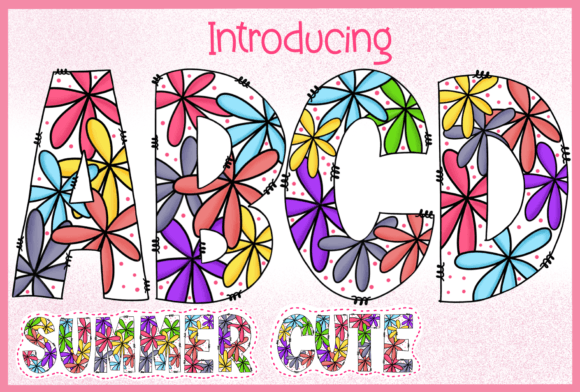
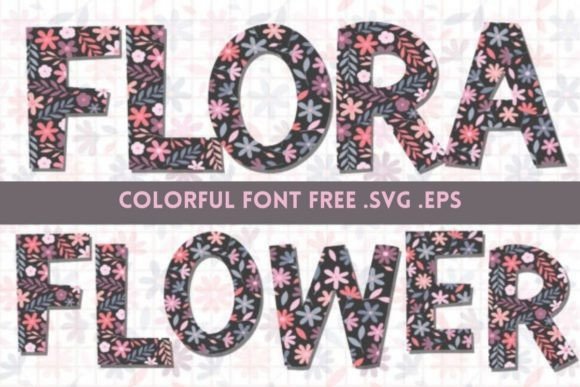
Imagine a typeface where the letter "A" isn't just a solid shape, but a delicate arrangement of poppies and daisies. Picture a word where the curve of an "S" is formed by the stem of a rose, and the dot on an "i" is a perfect, tiny sunflower. This is the world of Flora, a unique color font that moves beyond traditional typography. It’s not just a set of characters; it’s a collection of tiny, botanical illustrations for every letter. Each glyph is filled with vibrant, colorful flowers, creating a visual texture that standard fonts simply cannot achieve.
Flora operates as a premium font in the emerging category of color fonts (also known as chromatic fonts). Unlike a standard serif font or sans serif font that relies on a single color and weight, Flora embeds full-color, high-resolution artwork directly into the font file. This means when you type, you’re deploying intricate floral patterns. The personality of the typeface is inherently cheerful, organic, and artistic. It carries a handcrafted feel, similar to a handwritten font or script font, but with a level of detail and consistency that makes it a powerful design asset. The overall appeal lies in its ability to instantly inject life, color, and a sense of natural beauty into any project, making it a standout creative font for designers looking to make a memorable impact.
Where Flora Blossoms: Strategic Applications for Designers and Brands
The true power of a typeface like Flora is unlocked when you match its strengths to the right project. It’s a display font at heart, meaning it’s engineered for impact rather than long-form reading. Think of it as the headline act, not the supporting body text. Its applications are vast, but they share a common thread: the need for visual warmth, personality, and instant recognition.
In logo design, Flora can become the cornerstone of a brand identity for businesses in wellness, beauty, floristry, artisanal goods, or boutique hospitality. A bakery using Flora for its logotype communicates handmade quality before a customer even sees the products. For packaging design, it’s a game-changer. A skincare line or a gourmet tea brand can use Flora on labels to convey natural ingredients and luxurious care, creating an unboxing experience that feels special. The font works beautifully on stickers, hang tags, and wrapping paper, turning simple packaging into a keepsake.
Digital and print applications are equally strong. For editorial design, consider using Flora for pull quotes, chapter titles in a cookbook, or section headers in a lifestyle magazine. It adds a decorative flourish that engages the reader. In web design, it can be used for hero banners, special announcement graphics, or call-to-action buttons where you want to draw the eye with color and texture. Social media graphics are a natural fit; a Instagram post or Pinterest pin using Flora for its headline is more likely to stop a scroll than one with a generic font. For entrepreneurs and small business owners, this font is a tool for creating cohesive marketing materials—flyers, business cards, and email headers—that feel professionally designed and deeply personal.
Mastering the Bloom: Practical Guidance for Using Flora Effectively
Adopting a color font like Flora requires a slightly different approach than selecting a standard typeface. Here’s how to integrate it successfully into your workflow.
First, evaluate project fit. Flora is not for legal documents or technical manuals. Its strength is in projects where emotion, aesthetics, and storytelling are paramount. Ask yourself: does this project benefit from a touch of nature, whimsy, or artisanal charm? If the answer is yes, proceed. Next, test font pairings rigorously. Flora’s intricate detail means it pairs best with simple, clean companions. A neutral sans serif font for body text or a minimalist serif font for subheadings will let Flora shine without causing visual chaos. Avoid pairing it with other ornate script fonts or handwritten fonts, as this can quickly look cluttered.
Pay close attention to readability considerations. Because the letters are filled with images, their legibility at small sizes or in long strings of text can be compromised. Always test your designs at the intended output size. Flora is best used for short phrases, headlines, and logos—places where its artistry can be appreciated without straining the reader’s eye. Review the included styles and character set. A quality commercial font like Flora will often include alternates, ligatures, and multilingual support, giving you more creative flexibility. Finally, understand the commercial licensing. Ensure the license covers your intended use, whether it’s for client work, merchandise for sale, or digital products. Using a font correctly within its license is a mark of professionalism.
When used thoughtfully, Flora does more than just look pretty. It influences visual hierarchy by making key elements impossible to ignore. It shapes brand perception, positioning a brand as creative, warm, and detail-oriented. It builds consistency across touchpoints when used as a recurring design element. In a crowded marketplace, a distinctive font like Flora aids brand recognition—people will remember the “flower font.” Most importantly, it drives audience engagement; its unique beauty invites a second look, a shared post, or a closer inspection of a product. It’s a piece of modern typography that bridges the gap between digital design and organic artistry, offering a practical yet beautiful tool for today’s creative professionals.