Lemon: A Handwritten Font That Pops with Personality
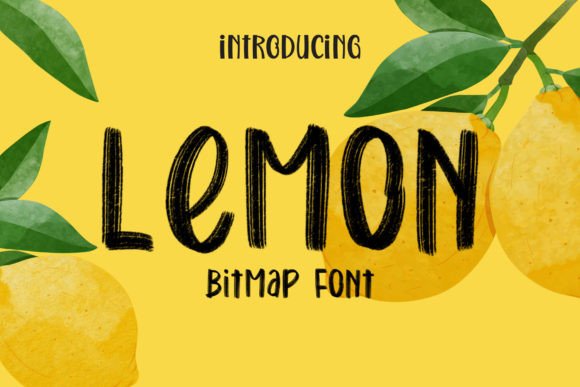
There’s a particular kind of energy in a design that feels authentically human. It’s the slight imperfection of a hand-lettered sign, the confident stroke of a marker on a whiteboard, the warmth of a note passed between friends. This is the space where the Lemon typeface lives. It’s not just a font; it’s a digital capture of that organic, lively feeling. As a premium font, Lemon is a handwritten font with a distinct, textured character that brings a burst of casual confidence to any project. Its letters have a natural flow, with varying baseline and weight that mimic real ink on paper, making it a powerful tool for designers and creators looking to inject personality and approachability into their work.
Where Lemon Truly Shines: Real-World Applications
Choosing the right typeface is about matching its voice to your project’s story. Lemon’s bold, friendly demeanor makes it an exceptional choice for contexts where you want to stand out and connect on a personal level. It moves beyond generic script font styles, offering a more robust and readable option for impactful headlines and branding elements.
Consider its application across different creative fields:
- Brand Identity & Logo Design: For brands that want to project authenticity, creativity, and a down-to-earth vibe—think artisanal food products, boutique studios, wellness coaches, or indie bookshops—Lemon can become the cornerstone of a memorable brand identity. Its distinctive look aids in recognition and sets a welcoming tone from the first glance.
- Marketing & Social Media Graphics: In the fast-scroll world of social media, grabbing attention is everything. Lemon’s textured, handwritten style cuts through the digital noise. Use it for bold call-to-action buttons, engaging quote graphics, or podcast cover art. It helps your social media graphics feel less corporate and more like a conversation.
- Packaging & Editorial Design: On product packaging, Lemon can highlight key flavors, ingredients, or a brand’s tagline with handmade appeal. In editorial design, it’s perfect for pull quotes, chapter titles, or magazine headlines that need a burst of energy, complementing a clean serif font or sans serif font for body text.
- Digital & Print Projects: From website headers and blog post titles to wedding invitations and greeting cards, Lemon translates beautifully across mediums. Its character adds a personal touch to digital designs and a tangible, craft-like quality to printed materials.
Practical Guidance for Working with Lemon
Integrating a display font like Lemon effectively requires a thoughtful approach. It’s a star player, not a background singer. Here’s how to use it to its full potential while maintaining professionalism and readability.
First, understand its technical nature. Lemon is a color font (OpenType-SVG), which means the texture and color are built into the file itself. This is fantastic for preserving its authentic look in compatible software. However, compatibility is key. It works seamlessly in Photoshop, Illustrator, Silhouette, and Inkscape. If you use Cricut, the standard OTF/TTF files won’t work, so always check your software against the font’s specifications.
When it comes to changing the color of a font like Lemon in your design software, the process is slightly different due to its format. In Photoshop, after typing your text, you can rasterize the type layer (Right-click the layer > Rasterize Type). Then, use the Hue/Saturation adjustment (Ctrl+U or CMD+U) and check the Colorize box to shift the entire color scheme. In Illustrator, select your text, go to Object > Rasterize (set to High 300 ppi and Transparent), then navigate to Edit > Edit Colors > Adjust Colors to modify the hue and saturation. This gives you creative control while respecting the font’s built-in texture.
Evaluating fit and creating strong font pairing are crucial. Lemon’s bold, textured nature means it pairs best with simpler, cleaner fonts. Try combining it with a geometric sans serif font like Montserrat or a classic serif font like Lora for body copy. This contrast ensures visual hierarchy—Lemon commands attention for headlines, while the supporting font ensures long-form text remains easy to read.
Always test the font in context. View it at the actual size it will be used, whether on a mobile screen or a printed poster. Check its readability over various backgrounds and in different color combinations. Because it’s a creative font, it’s not intended for lengthy paragraphs. Its strength lies in short, impactful bursts of text where its personality can shine without compromising the viewer’s experience.
Finally, for any commercial project, confirm the licensing. Using a commercial font like Lemon correctly protects your work and supports the type designers who create these valuable design assets. Review the license agreement to understand permitted uses, whether for client work, merchandise, or digital products.
By understanding Lemon’s personality, technical requirements, and ideal applications, you can leverage this modern typography gem to create designs that are not only visually striking but also strategically sound and deeply engaging. It’s more than a font—it’s a tool for telling a more human story.