Springtime Font: Fresh Design for Creative Projects
There’s a particular quality to the light in spring—a softness that makes colors pop and shadows gentle. Capturing that feeling in a design project can be tricky, but the right typeface can do it effortlessly. The Springtime font is one of those rare creative fonts that embodies a season’s essence. It’s more than just letters on a page; it’s a visual whisper of blooming flowers and longer days. For designers, marketers, and creators, understanding a font’s personality is key to using it effectively. This isn’t a loud, attention-grabbing display font. Instead, Springtime offers a more nuanced, joyful energy.
Understanding the Font's Whimsical Character
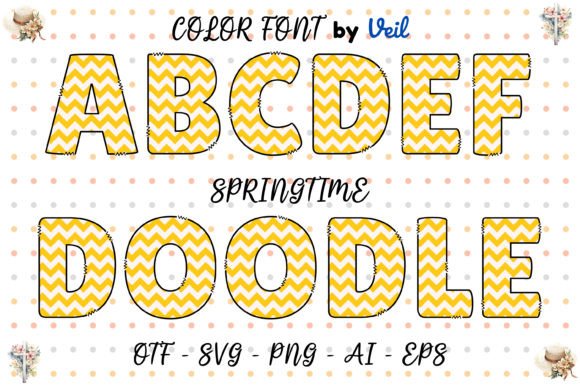
At its core, Springtime is a premium font that leans into a playful, almost hand-lettered aesthetic. Its letterforms are soft and slightly rounded, with gentle curves that avoid harsh angles. The visual weight is light to medium, contributing to an airy, approachable feel. You’ll notice subtle variations in the strokes, giving it an organic quality that mimics natural handwriting without sacrificing consistency. The overall style sits comfortably between a script font and a modern handwritten font, making it versatile enough for various applications while retaining its distinctive charm.
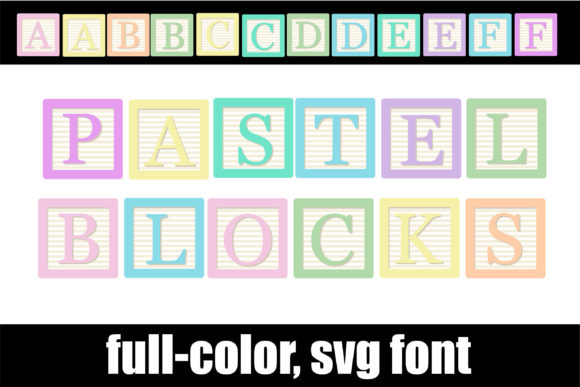
The color palette of the font itself—when used as a color font—introduces a layer of visual interest. Soft pastel tones are integrated into the letterforms, creating an immediate sense of freshness. This isn’t just a typographic choice; it’s a design element. When set against a clean white or very light neutral background, the letters seem to float, radiating a quiet vitality. This characteristic makes Springtime particularly effective for projects where mood and atmosphere are as important as the message itself.
Where Springtime Truly Blooms: Practical Applications
Knowing a font’s personality is one thing; knowing where to apply it is another. Springtime shines in contexts that benefit from warmth, approachability, and a touch of elegance. It’s a commercial font with a wide range of potential uses, but its effectiveness depends on matching it to the right project.
- Branding and Logo Design: For businesses in wellness, beauty, boutique retail, floristry, or artisanal food, a logo set in Springtime can instantly communicate care, quality, and a personal touch. It helps build a brand identity that feels friendly and trustworthy. However, for a tech startup or a law firm, this font would likely feel out of place.
- Marketing and Social Media: The font excels in social media graphics, Instagram stories, and Pinterest pins where grabbing attention in a crowded feed is crucial. Its inherent cheerfulness can boost engagement for lifestyle brands, travel blogs, or recipe sites. Use it for headlines or short quotes to create visual interest without overwhelming the viewer.
- Publishing and Editorial Design: While not suited for body text, Springtime is perfect for chapter titles, pull quotes, or subheadings in magazines, cookbooks, or lifestyle publications. It can break up dense editorial design layouts and guide the reader’s eye to key moments.
- Packaging and Product Design: Imagine a candle label, a soap wrapper, or a tea box using Springtime. The font reinforces the product’s artisanal, crafted quality. It works beautifully in packaging design where shelf appeal is paramount, especially for products targeting a predominantly female or family-oriented audience.
- Digital and Web Design: As a display font, it can be used sparingly on websites for hero sections, call-to-action buttons, or special announcement banners. Pairing it with a clean sans serif font for body text creates a pleasing contrast and maintains readability. In email newsletters, a subject line in Springtime can increase open rates by standing out in a crowded inbox.
- Personal Projects and Crafting: For wedding invitations, greeting cards, or scrapbooking, Springtime adds a personal, heartfelt touch. Its style evokes the care of a handwritten note, making digital creations feel more intimate.
Making Informed Design Choices with a Creative Font
Choosing a font like Springtime requires more than just liking how it looks. It’s about strategic implementation to ensure it enhances, rather than hinders, your project’s goals. Here’s how to approach it practically.
Evaluate the Project Fit First. Before you download or purchase, ask yourself: Does this font’s personality align with my brand’s voice? A playful, pastel-colored font might undermine the credibility of a serious financial advisory. Conversely, it could be perfect for a children’s educational app. The typeface should amplify your message, not conflict with it.
Master the Font Pairing. Springtime’s decorative nature means it needs a strong partner. A versatile serif font like Garamond or a neutral sans serif font like Helvetica Neue or Open Sans for body text is a safe bet. The contrast allows the display font to shine without sacrificing overall readability. Test combinations rigorously; the goal is harmony, not competition.
Mind the Hierarchy and Scale. Use Springtime for headlines, logos, or accent text. Its details can get lost if used too small, and it can become overwhelming if used for long paragraphs. Establishing a clear visual hierarchy ensures your design is both beautiful and functional. The font’s style naturally draws the eye, so leverage that for your most important calls to action or key messages.
Check the Included Styles and Licensing. A quality premium font often comes with multiple styles—like regular, bold, or italic—and extensive character sets. Review what’s included. Does it have the punctuation and language support you need? Crucially, understand the commercial font license. Ensure it covers your intended use, whether for a client project, merchandise, or a digital product. Using a font outside its license is a common and costly mistake.
Test for Readability in Context. Always test the font in its intended environment. View it on a mobile screen, print a sample on your home printer, or mock it up on a product label. What looks charming on a design screen might become illegible when embossed on foil or viewed on a low-resolution display. Good design is practical design.
Ultimately, a font like Springtime is a powerful design asset. It’s a tool to inject specific emotion and personality into your work. When used thoughtfully, respecting its strengths and limitations, it can elevate a project from generic to memorable, helping you connect with your audience on a more human level. It’s a reminder that in modern typography, the right character can make all the difference.