Watercolor Splash: Bringing Vibrant Energy to Your Projects
There’s a particular kind of energy that comes from a brush loaded with pigment hitting wet paper. It’s the bloom of color, the slight unpredictability, the feeling of something handmade and alive. Capturing that in a digital tool is no small feat, but that’s precisely the spirit behind the Watercolor Splash typeface. This isn't just another display font; it's a collection of letters that feel like they were just painted, each one a small, vibrant composition in its own right.
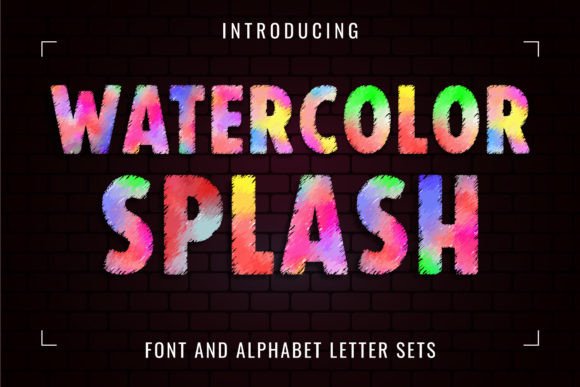
The visual character of Watercolor Splash is immediately apparent. Each glyph is drenched in bright, saturated color, with a layered, textured look that mimics the way pigments interact on paper. You'll see hints of overlap, subtle shifts in tone, and that distinctive watercolor "bloom" effect where color concentrates and fades naturally. It carries a joyful, energetic, and slightly whimsical personality. Think less formal invitation, more celebratory banner or a child's artistic masterpiece. Its style is unapologetically bold and positive, designed to be the focal point of any layout, not a supporting player.
Finding the Right Home for This Creative Font
Understanding where Watercolor Splash shines is key to using it effectively. Its inherent playfulness and high-contrast nature make it a natural fit for projects aimed at evoking emotion, celebration, or creativity. In branding, it can establish a fun, approachable, and artistic identity for businesses like boutique bakeries, children's activity centers, art studios, or eco-friendly product lines. The font’s personality helps a brand feel less corporate and more human.
For marketing and advertising, this typeface is a powerhouse for grabbing attention. It’s perfect for crafting eye-catching social media graphics, sale announcements, or event posters where the goal is immediate visual impact. In publishing, consider it for chapter titles in a children's book, a vibrant magazine header, or the cover of a cookbook focused on fun, colorful recipes. Entrepreneurs and small business owners will find it invaluable for creating standout packaging design, product labels, tote bags, t-shirts, and postcards that customers want to keep. It transforms a simple item into a piece of positive art.
Practical Application: Beyond the Pretty Picture
Choosing a font like Watercolor Splash involves more than just liking how it looks. Its effectiveness is tied to context and careful application. First, consider readability. As a premium font with a strong decorative style, it excels in short bursts—a headline, a single word, a logo mark. For body text or longer sentences, its intricate details can become visually noisy. Pair it thoughtfully with a clean, simple sans serif font or a neutral serif font to create a balanced font pairing. Let Watercolor Splash handle the emotional hook, and let its partner handle the clear communication.
Evaluating project fit is crucial. Does your project's tone align with the font's joyful, artistic energy? A legal firm's annual report? Probably not. A summer music festival poster? Absolutely. Test the font at the size it will be used. What looks like a beautiful texture at a large scale might become an illegible blur if scaled down too small on a mobile screen. Review all the included styles and alternates. Often, a display font like this includes different brushstroke effects or ligatures that can add variety and a more custom feel to your logo design or social media graphics.
Technical Considerations and Smart Workflow
A critical practical note revolves around file compatibility, a common consideration with any color font. The standard black version of Watercolor Splash functions like any traditional typeface and is fully compatible with a wide range of software, including popular cutting machine programs like Cricut Design Space. This makes it a versatile design asset for crafters and hobbyists creating physical goods.
However, the full-color version is a specialized creature. It requires design software that supports advanced OpenType color font formats. Programs like Adobe Photoshop, Adobe Illustrator, Silhouette Studio, and Inkscape (with proper settings) can render the vibrant, layered colors as intended. It is essential to know that the OTF or TTF files for the color version will not work in Cricut Design Space. Always test a font's compatibility with your specific workflow before committing to a final project, especially for commercial work. Checking a resource like the Ultimate Font Guide can save significant time and frustration.
Building a Cohesive Brand Identity
When used strategically, Watercolor Splash can become a cornerstone of a memorable brand identity. Its consistent use across touchpoints—from a website header to business card accents to product tags—builds instant recognition. The key is consistency in application. Define clear rules: use it only for primary headlines, always pair it with the same neutral typeface, and apply it to specific color palettes that complement its built-in hues. This prevents the design from feeling chaotic and instead builds a professional, cohesive system. It’s a creative font that, when managed well, signals a brand is vibrant, confident, and full of life.
Ultimately, Watercolor Splash is more than just a font style; it's a tool for injecting a specific feeling into your work. It’s for the designer who needs to communicate joy quickly, the marketer aiming to stop a scroll, and the entrepreneur wanting their product to feel special. By respecting its strengths, understanding its technical needs, and applying it with intention, you can harness its colorful energy to make your projects not just seen, but felt.