Queen Street Graffiti: Infusing Urban Soul into Modern Typography
There is a specific energy to street art that captures the raw pulse of the city. It is unpolished yet intentional, chaotic yet structured. We have tried for years to bottle that energy for use in digital design, moving beyond the sterile perfection of standard vector graphics. Enter Queen Street Graffiti, a typeface that bridges the gap between the gritty sidewalk and the polished digital canvas. This is not just another display font; it is a curated collection of urban expressionism designed for creatives who want their work to speak with a distinct voice. By utilizing the advanced capabilities of modern typography, specifically the Opentype-SVG format, this font captures the depth and texture of real spray paint without the need for complex layering or raster effects.
The Anatomy of the Urban Typeface
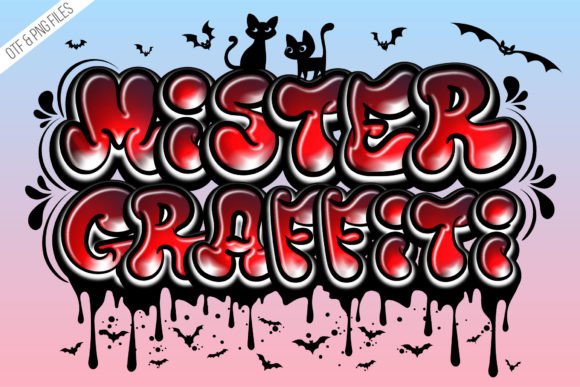
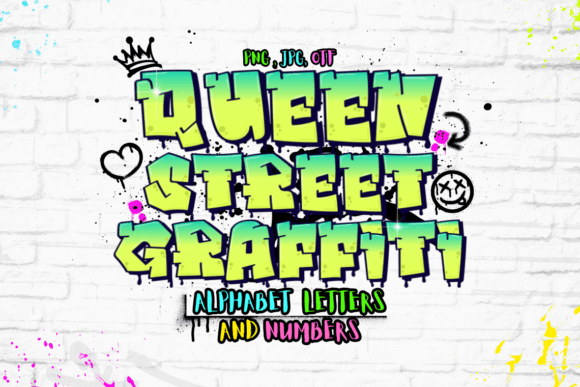
When you look at Queen Street Graffiti, the first thing you notice is the authenticity. It does not look like a font that was drawn to look like graffiti; it looks like graffiti that was digitized to function as a font. The visual characteristics are defined by sharp, angular cuts typical of "wildstyle" lettering, balanced with enough legibility to remain functional in design software. The personality of the typeface is undeniably bold and rebellious, yet it carries a sophisticated weight that prevents it from looking childish. It is a premium font because of the technical complexity involved in its creation—specifically the color layering.
Unlike standard fonts where you select a color and type, Queen Street Graffiti arrives with pre-baked color profiles. This means when you type a letter, the character appears with highlights, shadows, and texture variations that mimic the way light hits wet paint. This eliminates the hours designers usually spend creating "faux-3D" effects in Adobe Illustrator or Photoshop. For the designer, this means the font itself acts as a design asset, providing immediate visual depth to headlines, logos, and social media assets.
Strategic Applications: Where the Paint Hits the Pavement
Understanding where to deploy a creative font like this is half the battle. Because of its high visual impact, Queen Street Graffiti is best utilized where it can breathe. It thrives in environments that demand attention and personality.
Branding and Identity
For brand identity, particularly for startups in the fashion, music, or lifestyle sectors, this font offers a distinct competitive edge. It signals that a brand is current, edgy, and culturally aware. However, it requires a delicate touch. If you are designing a logo for a law firm, this is likely the wrong choice. But for a streetwear label, a podcast about underground culture, or a boutique coffee shop in an arts district, Queen Street Graffiti provides an instant visual shorthand for "cool." It establishes a mood that a standard sans serif font simply cannot achieve.
Digital and Print Collateral
In the realm of editorial design and packaging design, the font serves as a powerful tool for creating contrast. Imagine a minimalist magazine layout using a clean, geometric serif font for the body copy, with pull quotes and headers exploding off the page using Queen Street Graffiti. The juxtaposition of the refined and the raw creates a visual hierarchy that guides the reader’s eye effectively. For packaging design, especially for products targeting Gen Z and Millennials, this font style can transform a generic box into a piece of shelf art. It communicates authenticity—a key driver in consumer purchasing decisions today.
Events and Personal Projects
Beyond commercial use, the font excels in personal celebrations. Think of milestone birthdays, bachelor parties, or music festival invitations. The handwritten touch inherent in the script font elements mixed with the blocky graffiti letters creates an atmosphere of excitement. It is a commercial font that works just as hard for a small business owner creating flyers as it does for a hobbyist scrapbooking their urban adventures.
Technical Realities and Workflow Integration
It is crucial to address the technical environment required for this font. Queen Street Graffiti is an Opentype-SVG font. This is a specific technology that embeds a bitmap image inside the vector font file. What does this mean for you? It means the font requires software that can interpret this complex data.
Compatibility is Key: You will get the best results using Adobe Photoshop and Adobe Illustrator. These programs support the rendering of color fonts natively. When you select the font, you are selecting the pre-designed color gradients and textures.
The "Cutting" Limitation: If you are a crafter or small business owner who relies on cutting machines like Cricut or Silhouette, or if you primarily use open-source vector software like Inkscape, you need to read the fine print. Standard OTF or TTF files of this specific product are not compatible with these platforms because they cannot process the SVG data required to display the colors and textures. The machine would see it as a broken file or a solid block. If you intend to cut vinyl decals, this font is not the tool for that specific job. However, for digital social media graphics, web banners, and print-on-demand services that accept PDF or PNG formats, it is flawless.
Design Principles: Pairing and Hierarchy
Using a display font with this much personality requires a strategy for font pairing. You generally do not want to pair Queen Street Graffiti with another decorative or handwritten font; that creates visual noise and confusion.
Instead, look for a "quiet" partner. A geometric sans serif font like Futura or a clean serif font like Garamond works beautifully. The goal is to let the graffiti font do the shouting while the secondary font does the whispering. Use Queen Street Graffiti for the "Hero" text—the main headline, the logo mark, the event name. Use your secondary font for the subheadings and body text.
Consider the "squint test." Step back from your screen and squint. Does the layout still have a clear focal point? If the graffiti font is overwhelming the page, scale it back. Because this is a color font, it carries more visual weight than a black-and-white typeface. A little goes a long way. In web design, for example, using this for a single call-to-action button can increase click-through rates by drawing the eye, but using it for an entire paragraph would make the site unreadable.
Evaluating Fit for Your Project
Before committing to Queen Street Graffiti for a client project or your own brand, ask yourself three questions:
- Does the audience appreciate urban culture? If your demographic is strictly corporate or conservative, the font may alienate them. If they are trend-conscious, creative, or young at heart, it will resonate.
- Is the medium compatible? Check your tech stack. Are you designing for Instagram? Perfect. Are you designing for a fax machine? Not perfect.
- Does it align with the message? Graffiti implies rebellion, freedom, and art. Does your message match that energy?
Ultimately, Queen Street Graffiti is more than just a typeface; it is a design solution for those who find standard typography too boring and stock photos too generic. It offers a way to inject the spirit of the street into the structure of a professional layout. By respecting its technical requirements and pairing it wisely, you can elevate your marketing materials and creative projects with an authentic, contemporary edge that commands attention.